Eliseu Visconti
Brazil, b. 1866 – d. 1944
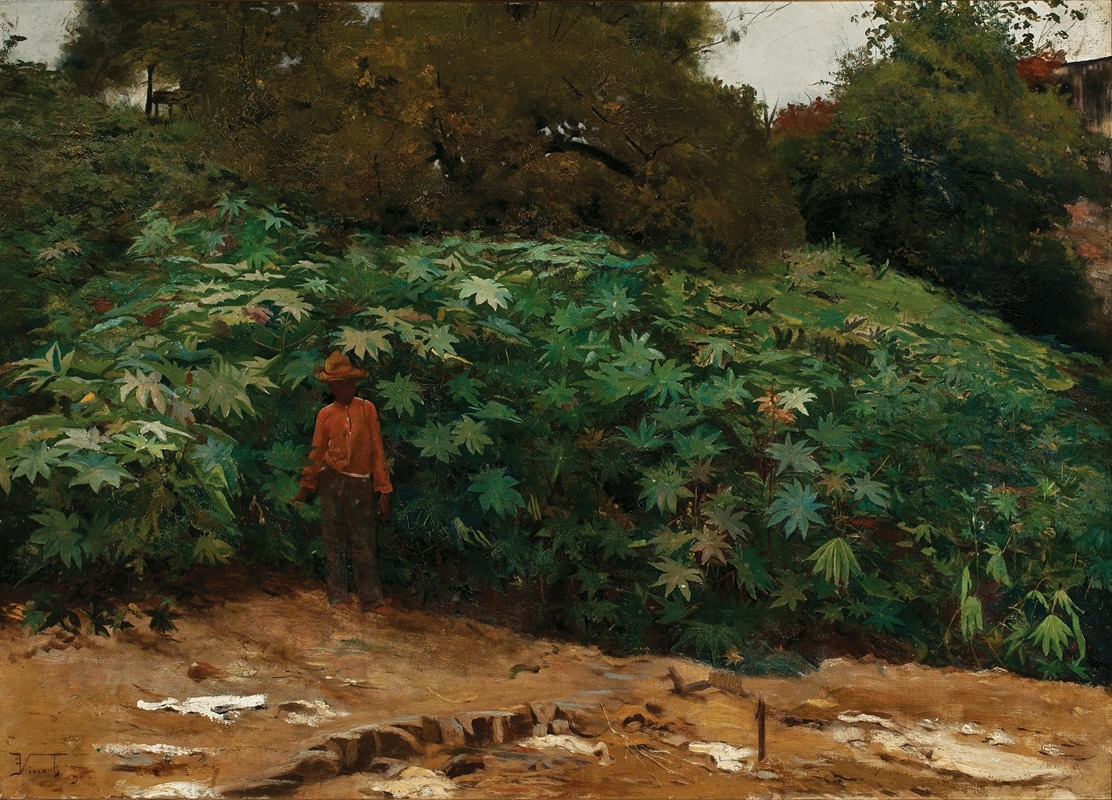
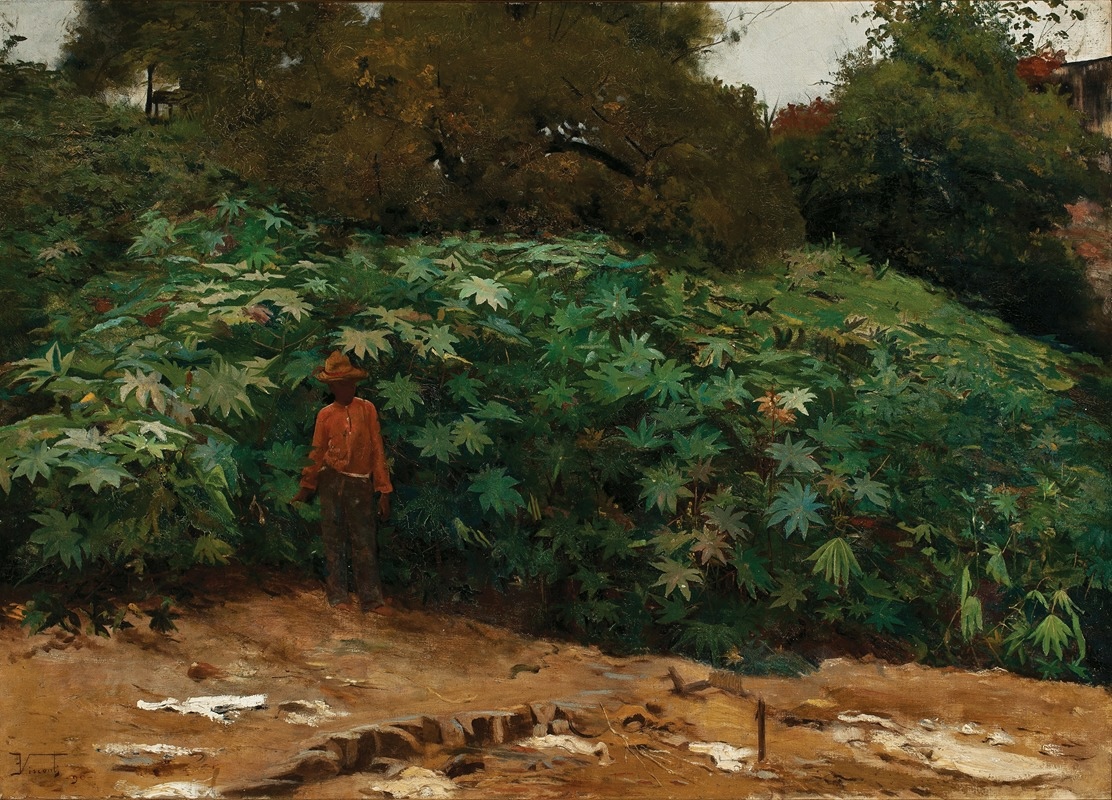
Eliseu Visconti was a Brazilian painter, designer, and one of the key figures in the transition from academic art to modernism in Brazil. Born in 1866, he is widely recognized for introducing new artistic approaches to color, light, and composition while maintaining a strong foundation in traditional techniques. His work reflects a unique balance between European influence and Brazilian identity, positioning him as a foundational artist in the country’s cultural history.
Visconti spent his formative years in Rio de Janeiro, where he pursued formal training at the Imperial Academy of Fine Arts. There, he developed a disciplined understanding of drawing, painting, and composition, grounded in academic principles. His early works demonstrate precision and structure, but even within this framework, there are signs of a growing interest in atmosphere and visual nuance. He distinguished himself as a talented student and soon gained recognition within the academic system.
A defining phase of his career came when he traveled to Europe to continue his studies. In Paris, he encountered the artistic movements that were reshaping painting at the end of the nineteenth century. Impressionism, Symbolism, and Art Nouveau all left a lasting impression on his work. He began to adopt a lighter palette, softer transitions, and a more fluid handling of paint, moving away from rigid academic conventions. This exposure allowed him to develop a more modern visual language while retaining technical control.
Visconti became known for his sensitivity to light and color. His paintings often feature luminous tones and carefully balanced compositions that create a sense of harmony and depth. He worked across a range of subjects, including portraits, landscapes, and scenes of everyday life. In each case, he approached his subjects with a refined touch, emphasizing atmosphere and mood rather than strict realism.
In addition to his work as a painter, Visconti made important contributions to decorative arts and design. He was involved in large scale projects that integrated painting with architecture, including murals and interior decoration. His interest in Art Nouveau is evident in these works, with flowing lines and ornamental detail that reflect the influence of European design movements. This aspect of his career demonstrates his versatility and his commitment to expanding the role of art beyond the canvas.
Throughout his career, Visconti played an important role in shaping the direction of Brazilian art. He helped introduce modern ideas at a time when academic traditions still dominated, creating a bridge between the past and the future. His work reflects this transitional moment, combining discipline with innovation and tradition with experimentation.
He also exhibited his work internationally, gaining recognition beyond Brazil and contributing to the visibility of Brazilian art on a global stage. Despite his international experience, his work remained connected to the cultural environment of Brazil, reflecting its light, atmosphere, and evolving identity.
Eliseu Visconti died in 1944. Today, he is regarded as one of the pioneers of modern art in Brazil. His legacy lies in his ability to adapt and evolve, bringing new artistic ideas into a local context while maintaining a strong commitment to craftsmanship. Through his work, he helped shape the foundation upon which modern Brazilian art would continue to develop.
Represented By
Artworks by Eliseu Visconti