Guillermo Laborde
Uruguay, b. 1886, d. 1940
Guillermo Laborde was a Uruguayan painter, sculptor, and designer born on October 24, 1886, recognized as an important figure in the development of modern art in Uruguay during the early twentieth century. His work reflects a transition from academic traditions toward a more modern visual language, combining structure, clarity, and a growing interest in color and form as expressive elements.
Laborde received formal artistic training in Uruguay and later continued his studies in Europe, where he was exposed to contemporary movements that were reshaping painting and design. This international experience had a lasting impact on his work, allowing him to move beyond strict academic conventions and engage with modern approaches to composition and color. His time abroad helped refine his understanding of form and introduced him to new artistic ideas that he would later adapt within his own practice.
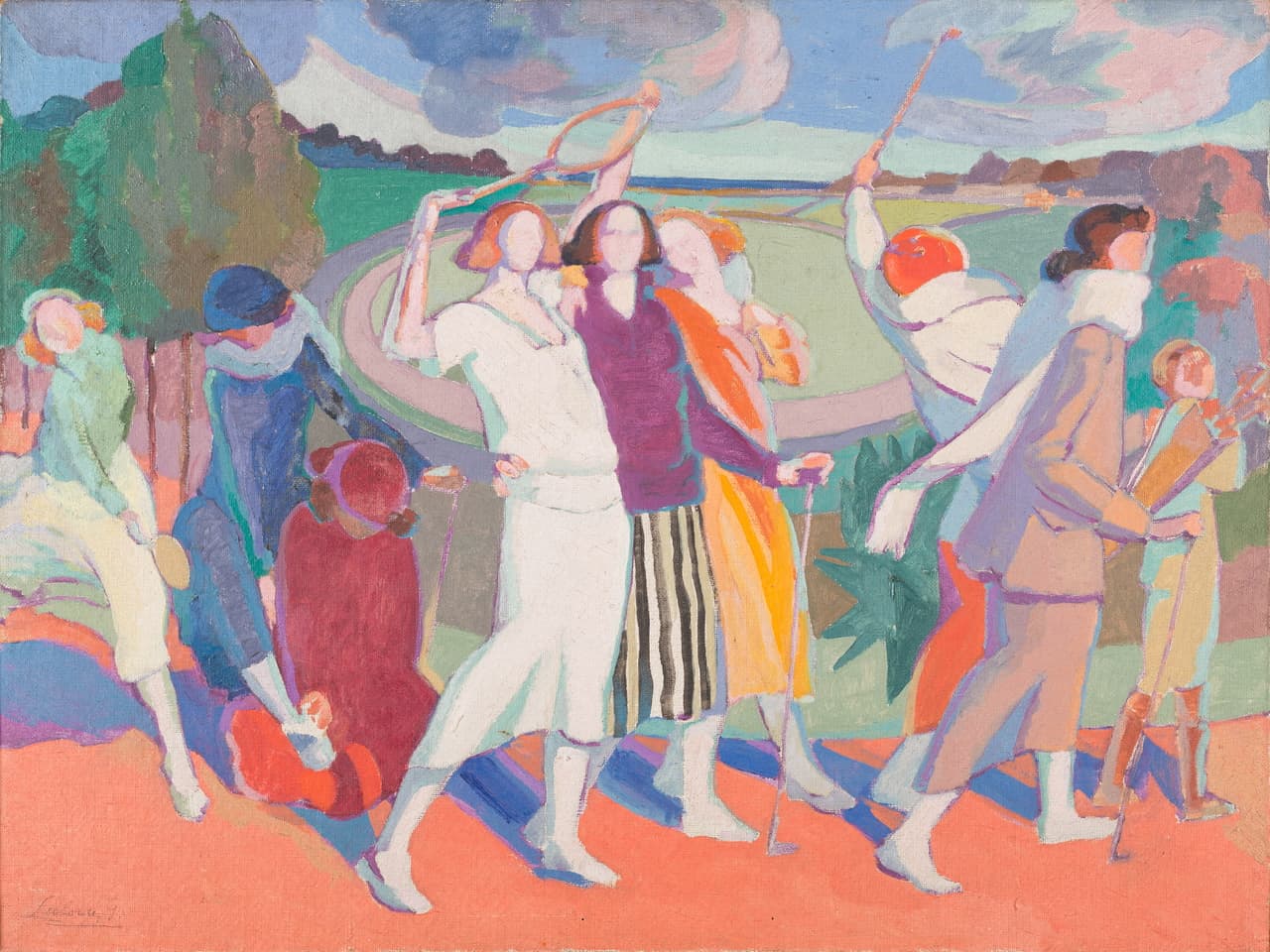
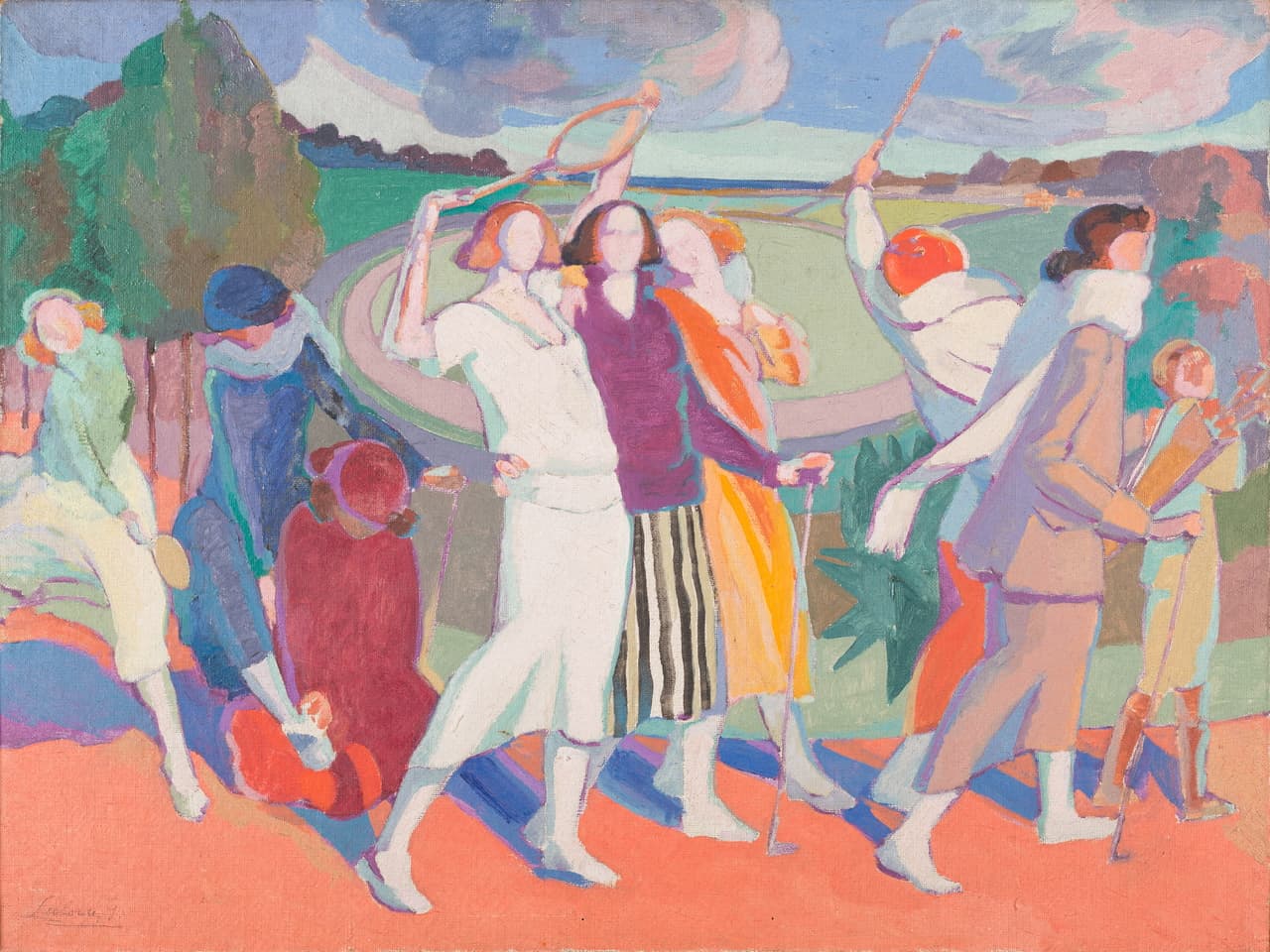
A defining characteristic of Laborde’s work is his emphasis on structure and balance. His paintings often reflect a careful organization of space, with forms arranged in a way that suggests both discipline and clarity. While grounded in observation, his compositions reveal a movement toward simplification, where essential elements take precedence over detailed representation. This approach aligns his work with broader modernist tendencies.
Color plays an increasingly important role in his work. Laborde used color not only to describe form but also to create rhythm and visual harmony within the composition. His palette often reflects a sensitivity to tonal relationships, contributing to the overall cohesion of his images. This attention to color supports the transition in his work from academic realism toward a more modern sensibility.
In addition to painting, Laborde worked in sculpture and design, extending his interest in form and structure across different mediums. His sculptural work reflects a similar concern with volume and proportion, while his design practice demonstrates an understanding of composition in applied contexts. This multidisciplinary approach places him within a broader movement of artists who sought to integrate art and design.
Laborde also played a role as an educator, contributing to the formation of future generations of artists in Uruguay. His involvement in teaching and cultural development extended his influence beyond his own work, helping to shape the direction of modern art in the region.
Guillermo Laborde died on May 13, 1940. He is remembered as an artist who helped bridge academic tradition and modern expression in Uruguay, creating a body of work that reflects both technical discipline and an evolving engagement with form, color, and structure.
Represented By
Artworks by Guillermo Laborde