Manuel Rosé
Uruguay, b. 1882, d. 1961
Manuel Rosé was a Uruguayan artist born in 1882 whose career reflects both academic formation abroad and a deep connection to the landscapes and cultural life of Uruguay. From an early stage, he showed a clear commitment to art, and his development was shaped by rigorous study in some of Europe’s most important artistic centers. Through this combination of international training and local engagement, he became part of a generation that helped strengthen the visual arts in Uruguay during the early twentieth century.
In 1905, Rosé traveled to Italy to study at the Academy of Fine Arts in Rome. This experience gave him a strong academic foundation in drawing, composition, and painting, placing him within the tradition of European formal training that was highly valued at the time. His studies in Rome introduced him to the discipline and structure of classical art education, helping him refine both his technical skill and his understanding of pictorial construction.
By 1908, Rosé had earned a scholarship to continue his artistic education in Paris, where he studied at the Académie de la Grande Chaumière and the Académie Colarossi. Paris was then one of the most dynamic artistic capitals in the world, and his time there exposed him to a broader range of artistic ideas and methods. This period expanded his perspective beyond academic instruction alone, allowing him to absorb the atmosphere of modern European painting while strengthening his own visual language.
He later received another scholarship to study at the Academia Vitti, where he worked under the guidance of important professors such as Kees van Dongen and Hermenegildo Anglada Camarasa. This phase of his training placed him in dialogue with artists and teachers whose work reflected more modern and expressive tendencies. The Academia Vitti also trained notable Uruguayan artists such as José Cuneo and Carmelo de Arzadun, linking Rosé to a wider network of painters who would go on to shape the direction of art in Uruguay.
After returning to Uruguay, Rosé brought this international experience back to his country and contributed not only as a painter but also as a teacher. From 1914 to 1917, he taught at the Círculo Fomento de Bellas Artes in Montevideo, helping to transmit his knowledge and training to younger generations of artists. This role reflects an important aspect of his legacy, as he participated directly in the development of artistic education in Uruguay during a formative period.
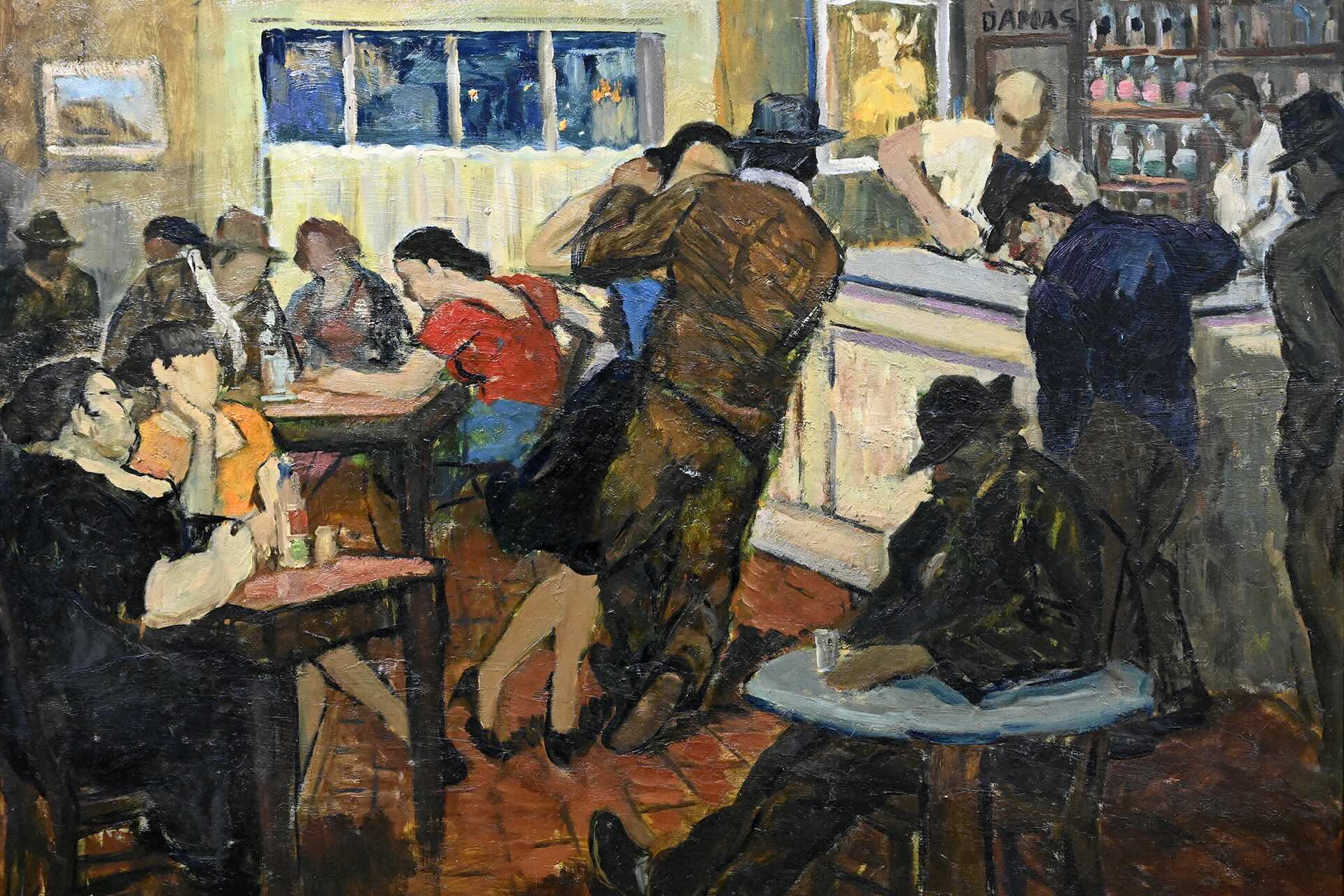
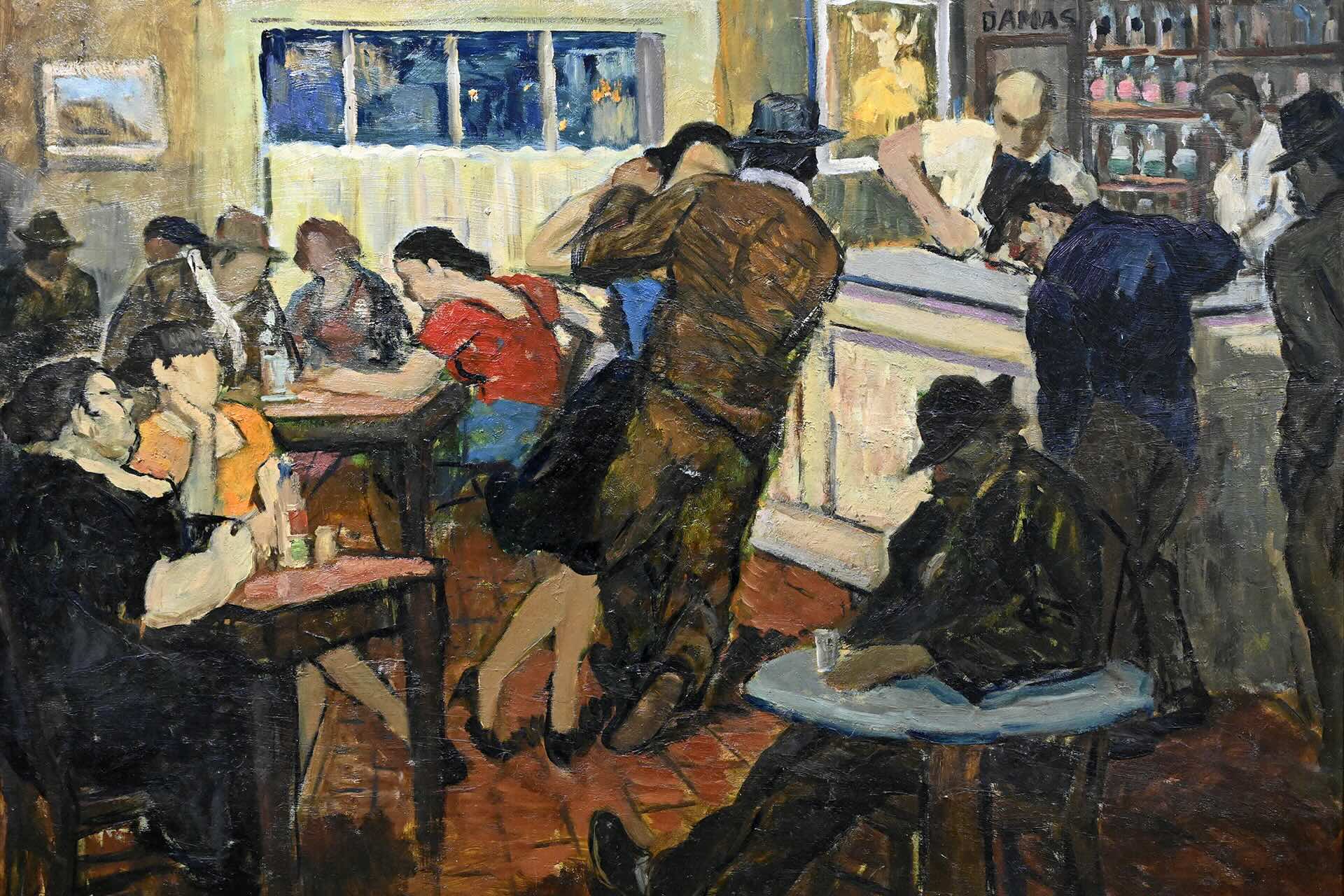
During these years, Rosé painted landscapes inspired by the places in which he lived and traveled. He depicted the areas surrounding Las Piedras, where he resided for several years, as well as the Sierras de Córdoba, the birthplace of his wife. These works reveal his close relationship with the natural environment and his sensitivity to the cultural richness of the places that shaped his life. His landscapes are not merely descriptive. They reflect a painter attentive to atmosphere, place, and the emotional qualities of the land.
Manuel Rosé is remembered as an artist whose career joined European academic and modern training with a strong commitment to Uruguayan art and education. His life and work reflect the path of a painter who studied abroad, returned home with knowledge and experience, and contributed meaningfully to the artistic and cultural life of his country. Manuel Rosé died in 1961.
Represented By
Artworks by Manuel Rosé